right now. Great tune, regardless of who really sang the backing vocals.
Sylvia’s slowly coming back together, it’s really good to see.
The front windscreen wiring is run and connected (and working!), both bumper beams and the four bumper corners painted/refreshed, under arch areas all cleaned off and re-stone chip protected with wax injection done, tires back on wheels and wheels back on car!
I had an auto electrician re-run the main battery leads as well, the way the connections were before left a lot to be desired.
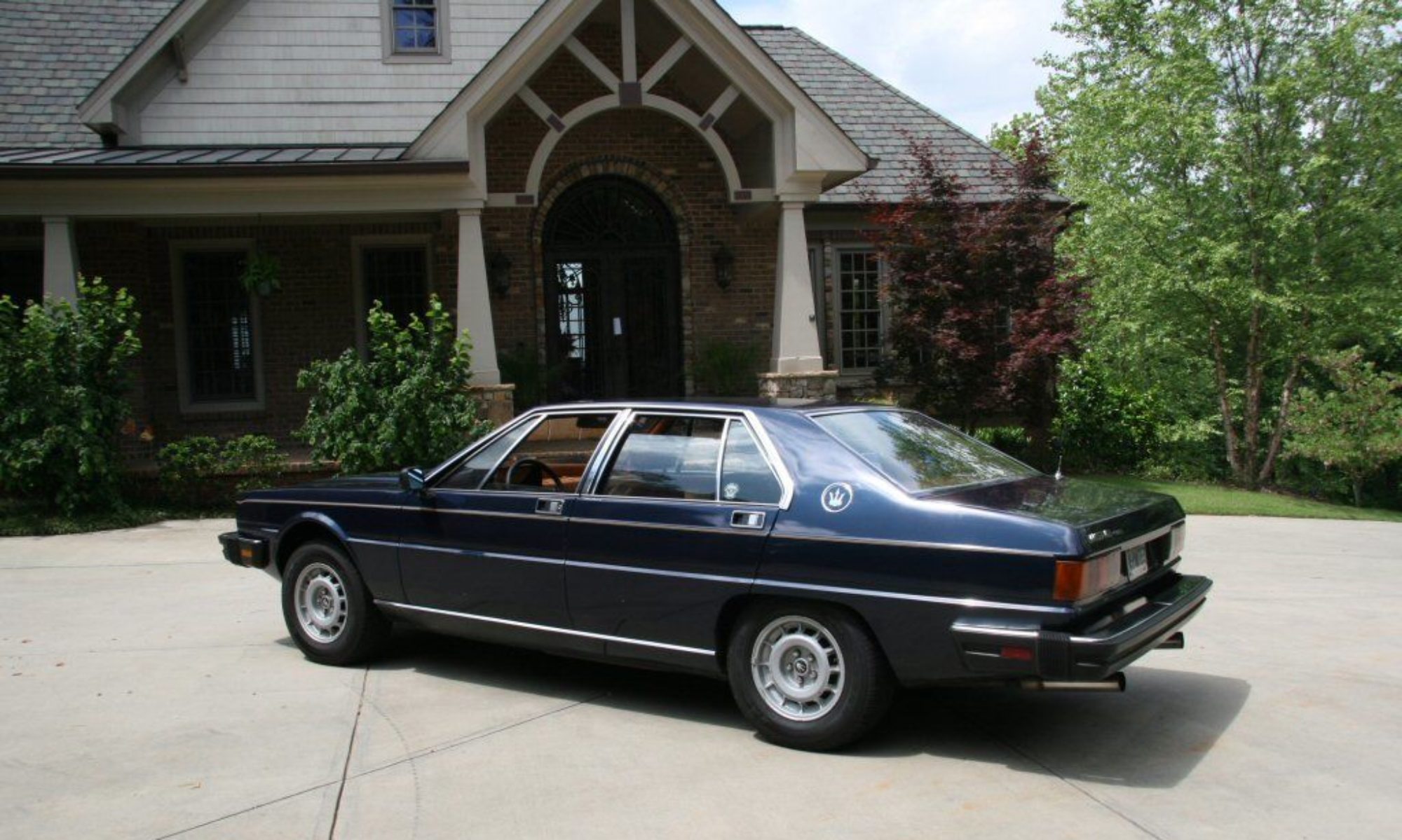
Looking more and more like a carRide height corrected, new windshield in place and wired up, approaching completion
Windscreen and rear window fitted, as well as most of the door glass, along with chrome trim surrounds.
Not sure which is shiniest, glass or paintOnly one window left to installNo visibility problems here!
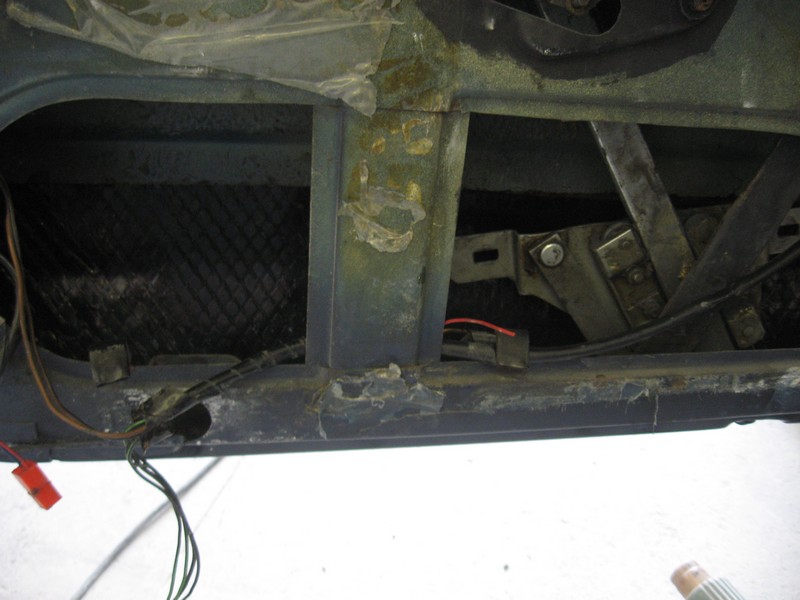
While the doors were apart to install the glass, we went ahead and removed the old (and pretty far gone) insulation and installed new rubberized asphalt sound/vibration insulation. The old stuff had crumbled to a point beyond recognition, which has it’s advantages, as it’s hydrophilic and a common cause of serious rust in these cars. Due to the way the insulation is mounted, the doors or body could rust through from the inside without any warning to the owner until it’s too late!
The rubberized mats are completely waterproof and offer much better sound deadening properties than the original insulation used.
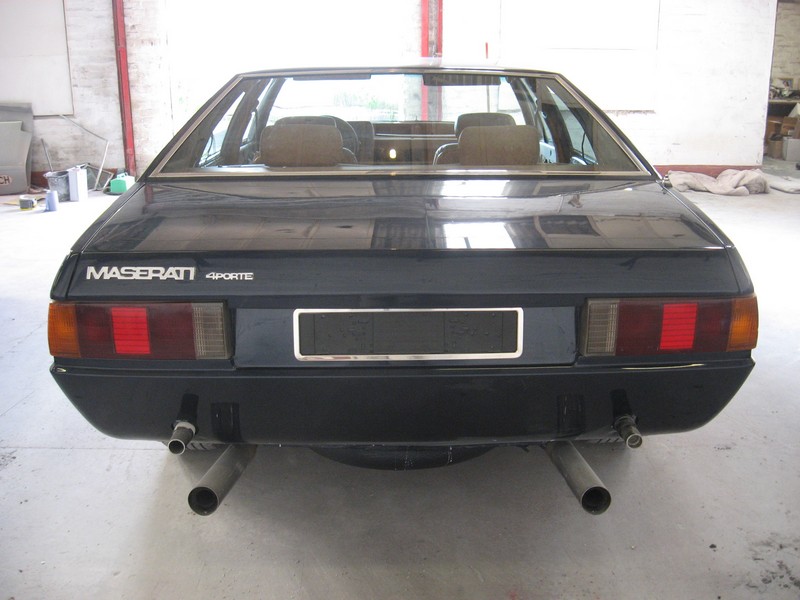
A rather mundane, if not downright unimaginative name, although the first model was released as early as 1963 and was based on a custom bodied 5000GT built for Prince Karim Aga Khan by Frua. Hardly a mundane start.
Regardless, it sounds a lot better in Italian than in German. Can you imagine Mercedes presenting the “450 vier Türen” back in the day?
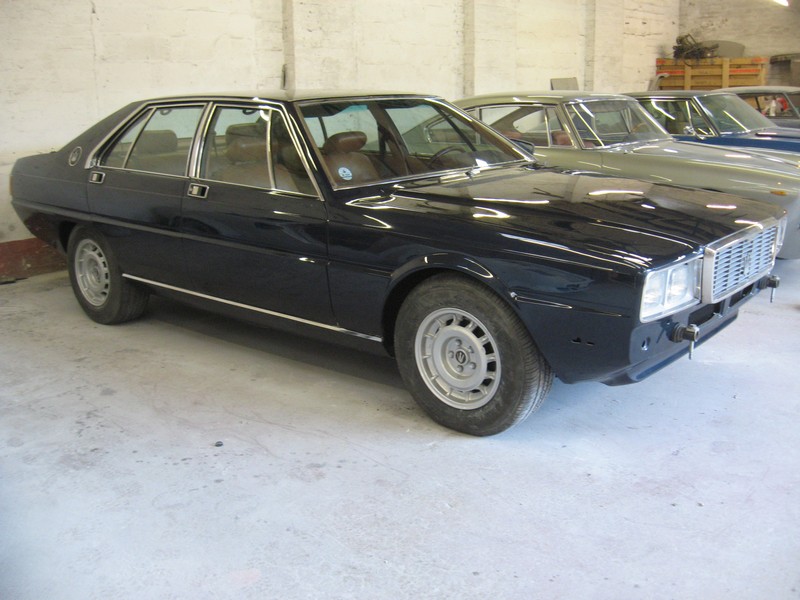
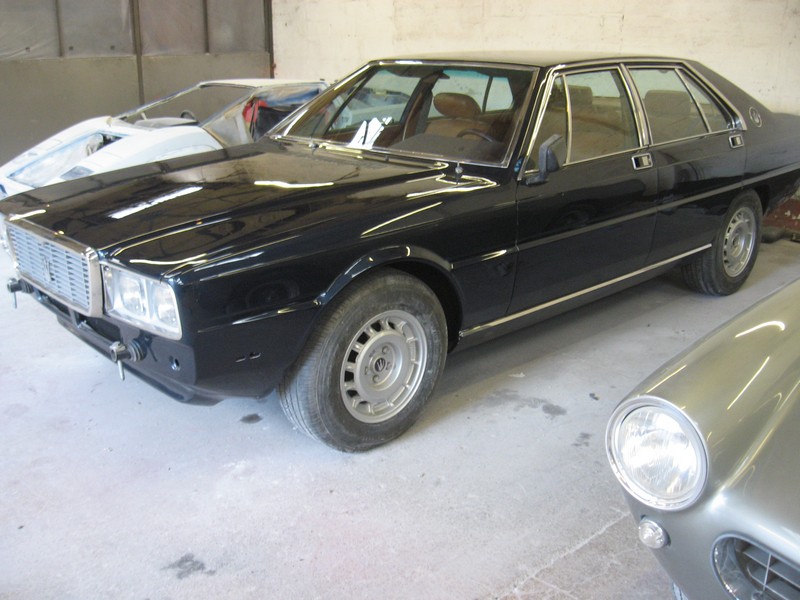
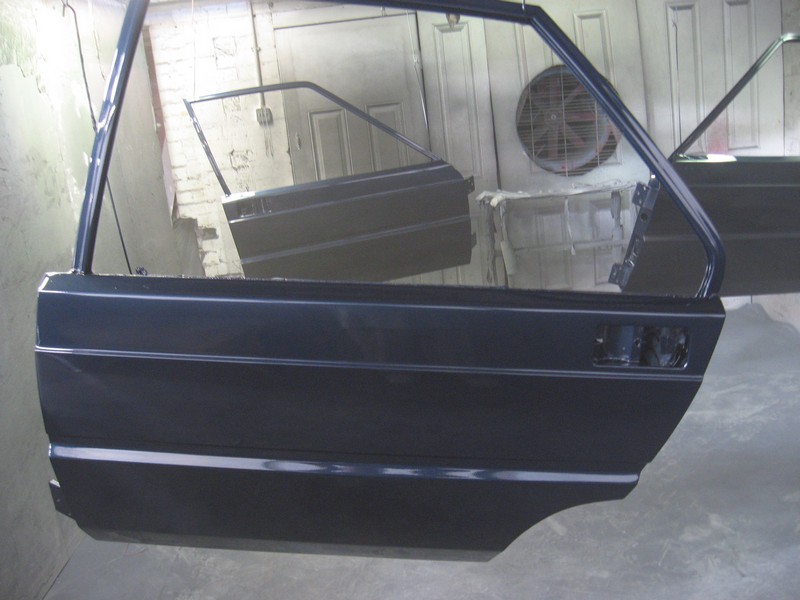
Anyway, back to business – the 4 doors of the 4 door Quattroporte have been painted. Being a Quattroporte III, only 3 of the doors are visible…
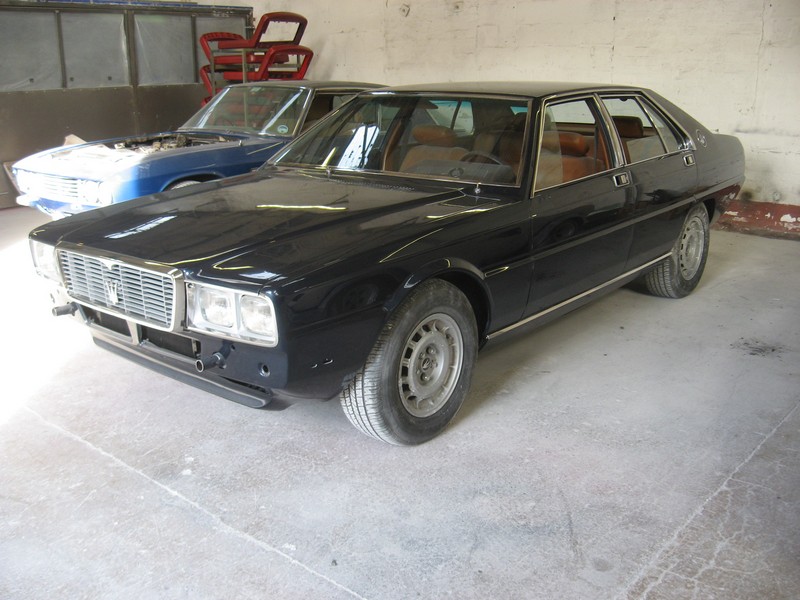
The body, paint and interior all look sharp, with some minor issues that perhaps should be addressed, but the engine bay could really use tidying up. And someone should remove the faux “gills” behind the front wheel wells pronto!
They tested a 4.2 liter model, which is somewhat rarer than the 4.9l, and lacks some of the grunt of the larger engine.
I agree with the authors take on the charisma of the car, it’s even more imposing in person than in photographs, and IMHO is a much more livable design than f.x. the Aston Martin Lagonda. The market has however clearly favored the Lagonda, as it’s risen in value almost fourfold the last few years, while the Quattroporte III has not quite doubled.
I’ll update this post with more articles in a bit. Drop me a link in the comments section if you know of a good one!
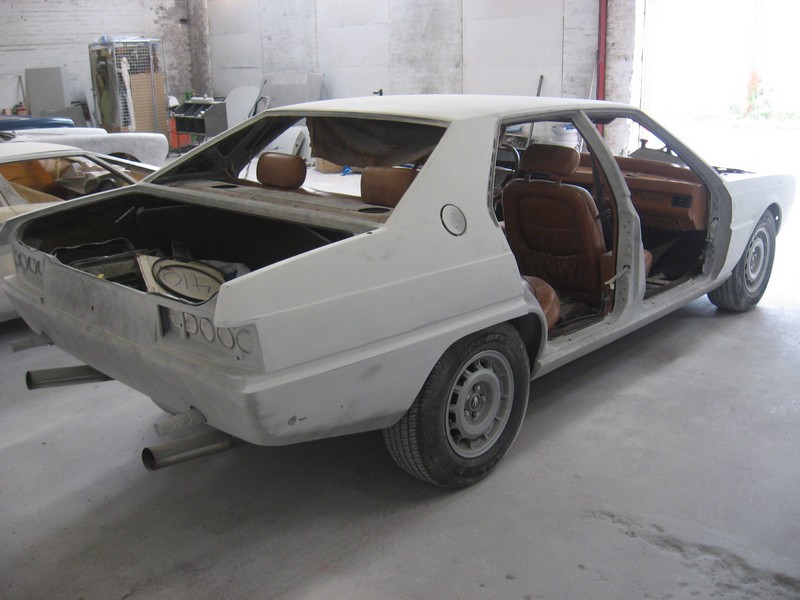
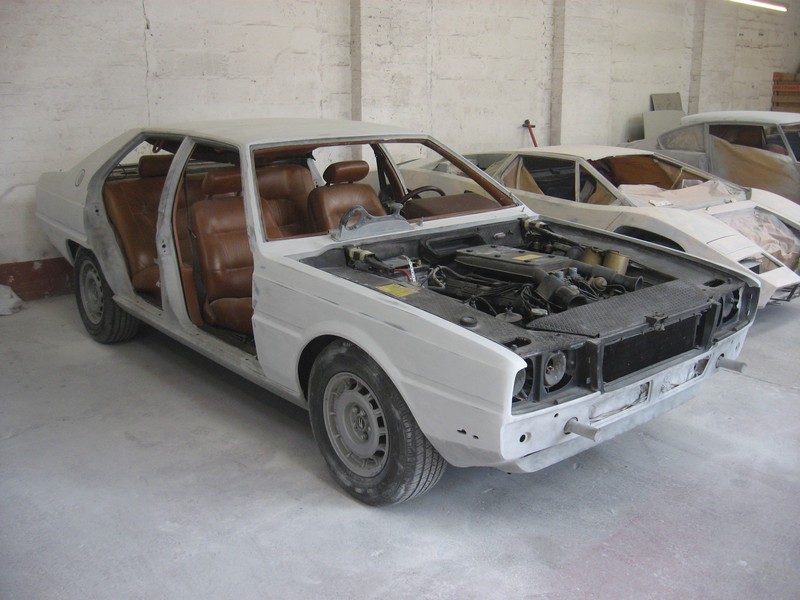
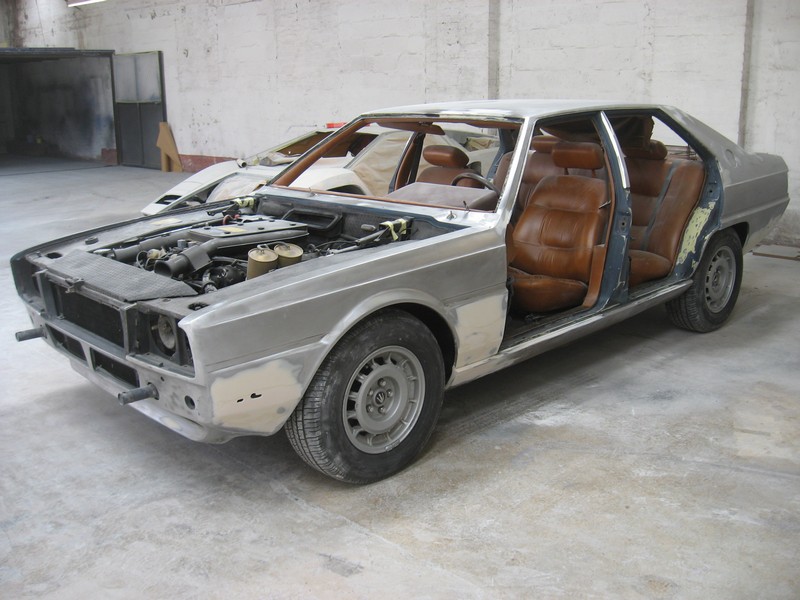
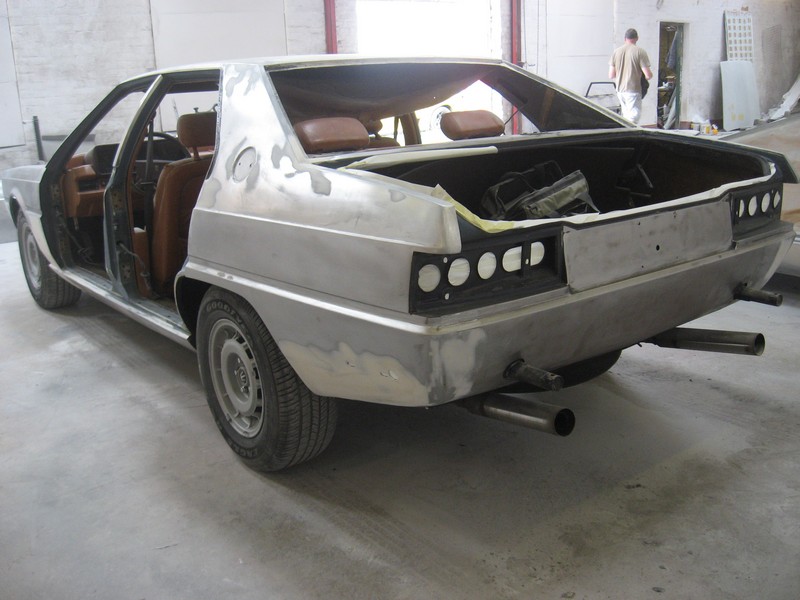
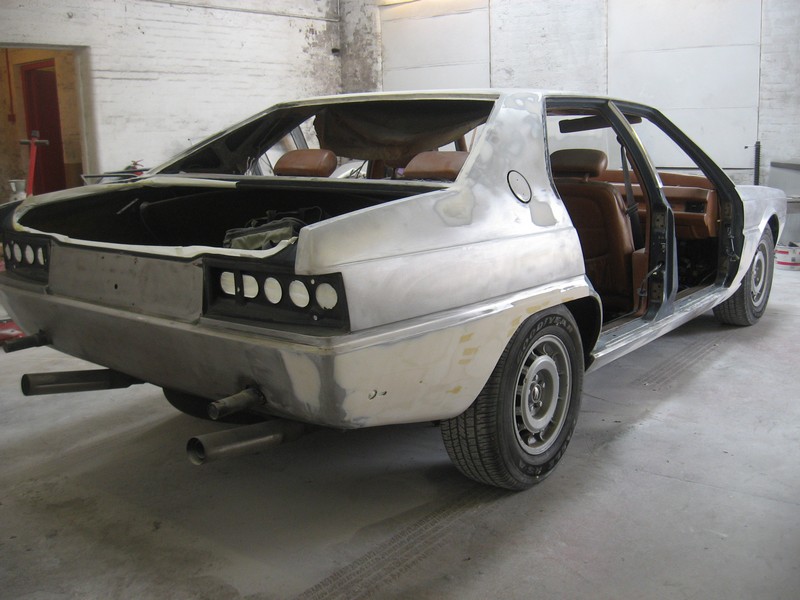
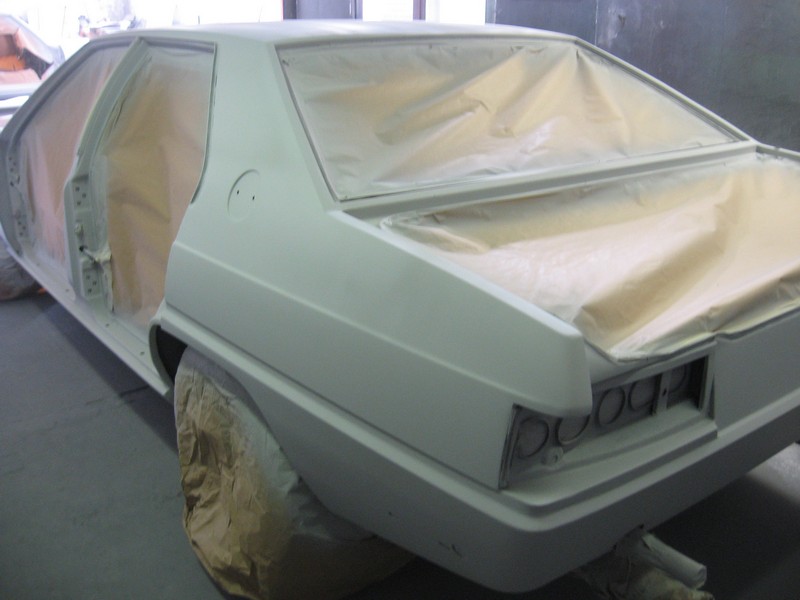
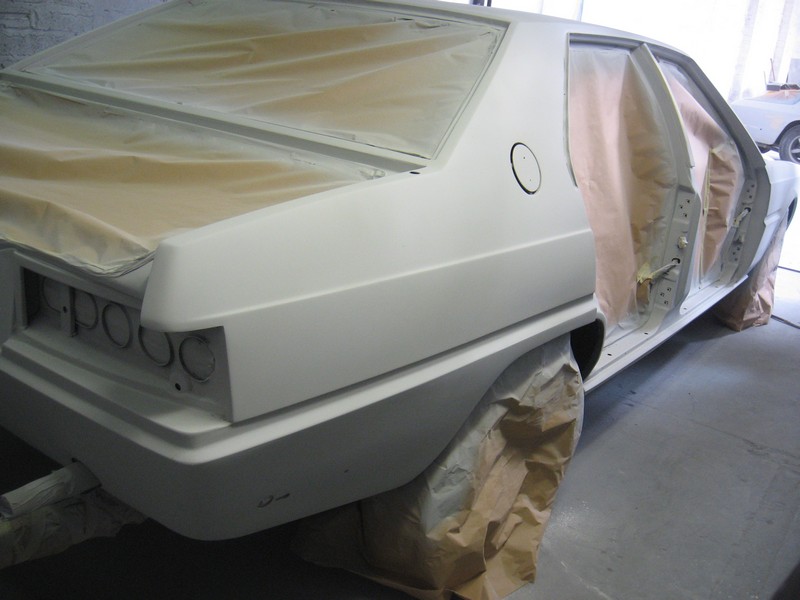
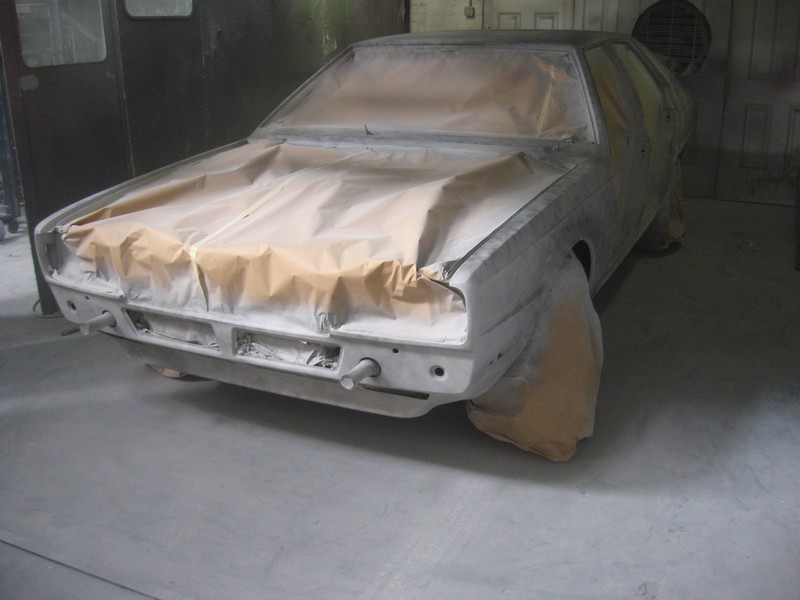
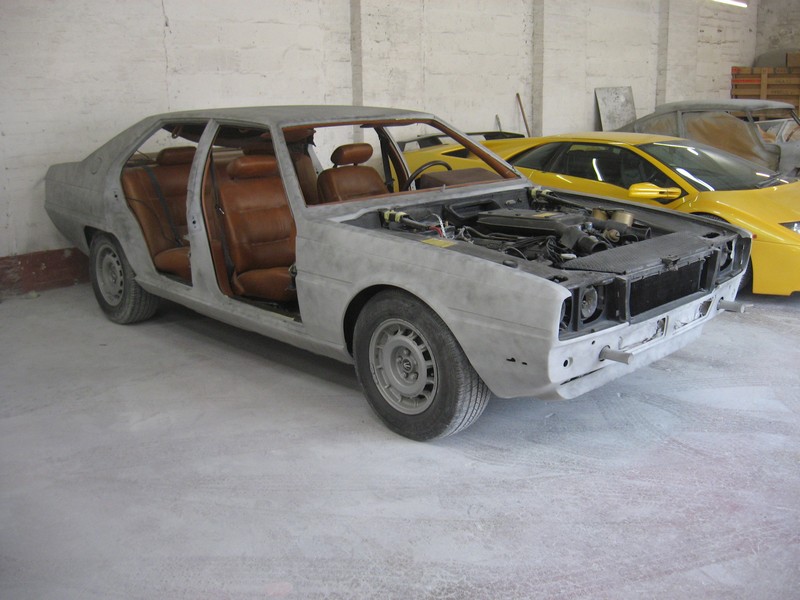
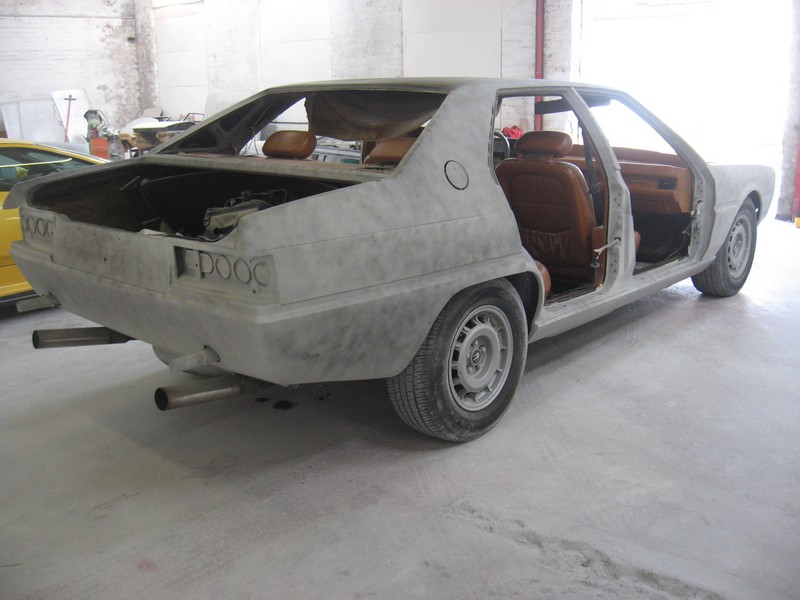
“I have mostly blocked down the primer – just the lower body, front and rear panels and door reveals left to do. You should be able to see the minor high and low points showing up in the pictures. As we have a little more time on her now I want to do a full re-prime once these low points have been stoppered up and blocked smooth, mainly just to ensure we have a good even thickness of material on her.”
Looking pretty straightA few uneven spots remaining
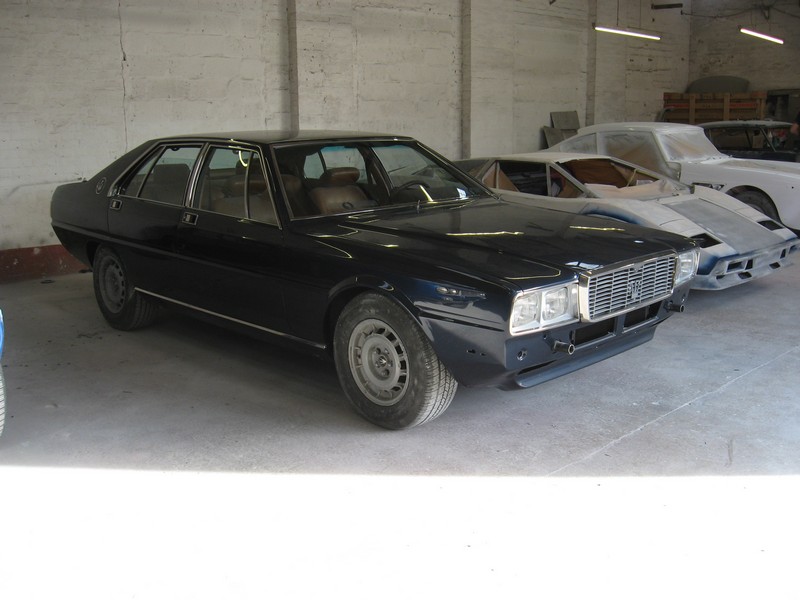
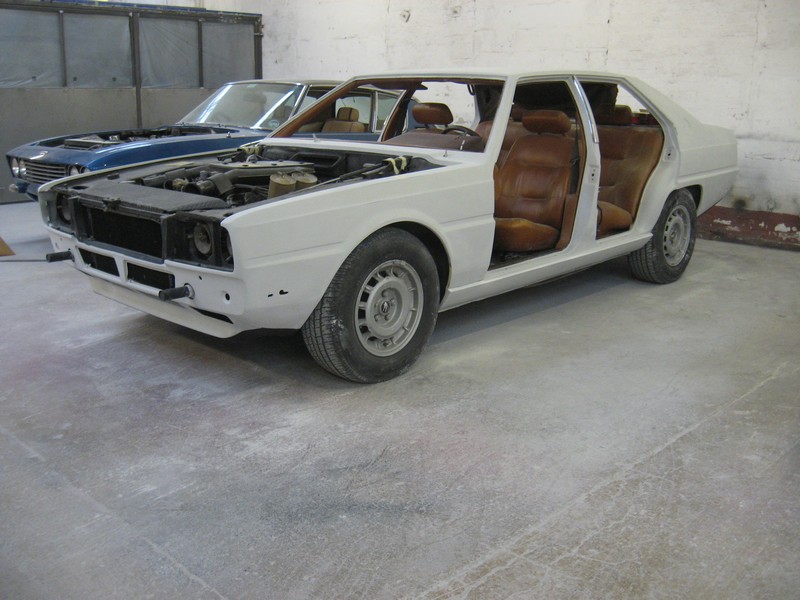
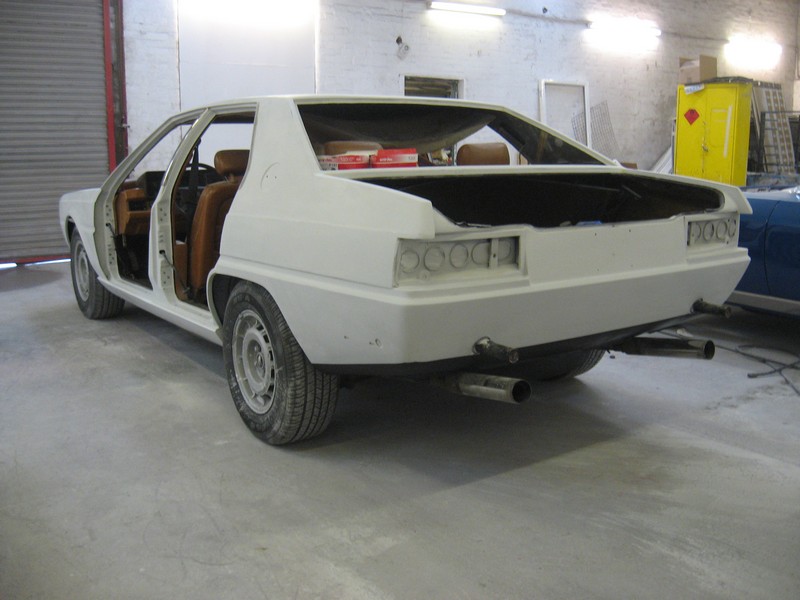
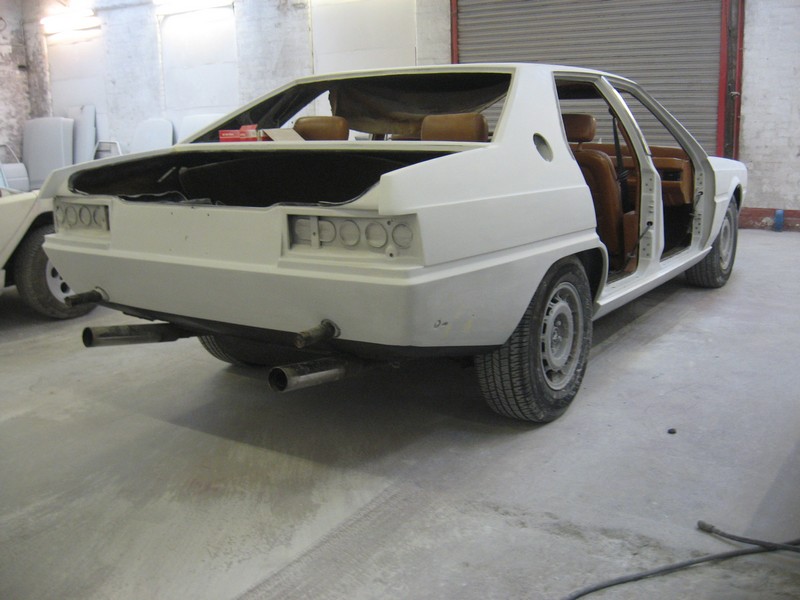
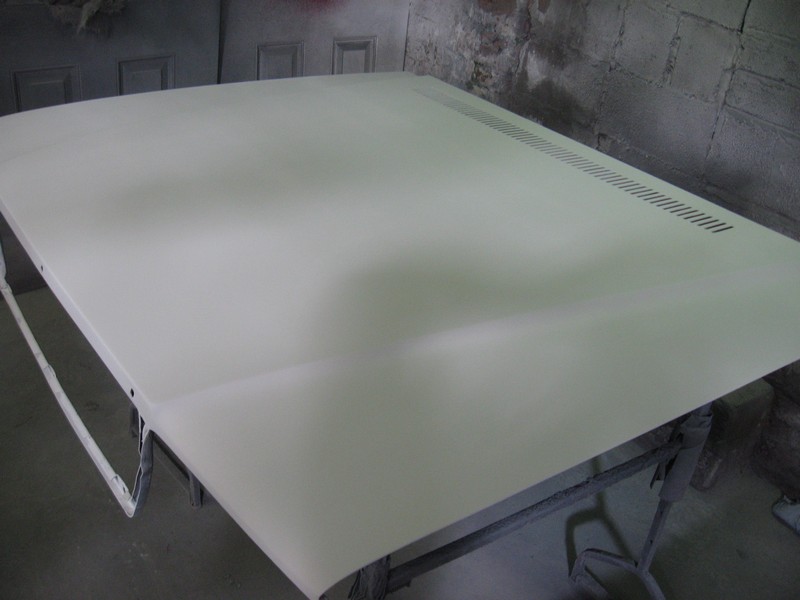
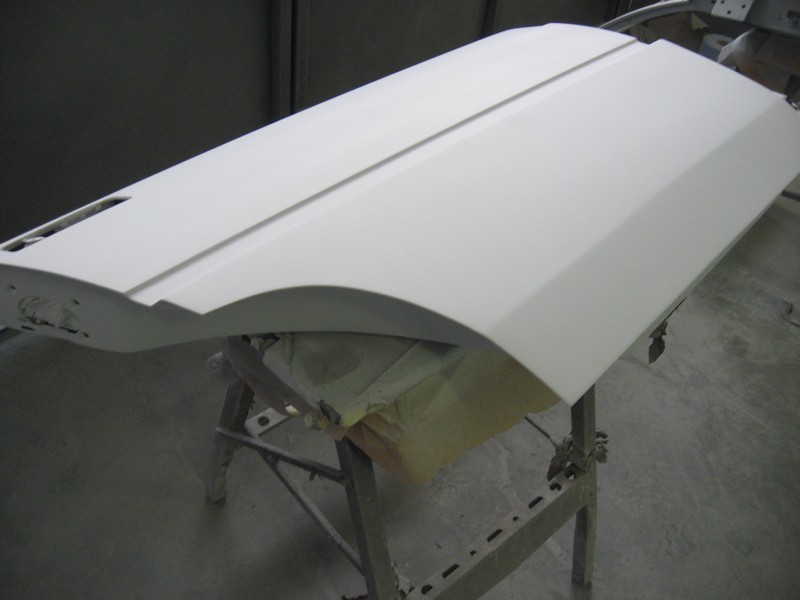
A few days later, the final priming, filling and shaping was completed:
Looks a lot like a Jenson Interceptor in the backgroundStraight and cleanClean and crisp lines, like a perfectly starched shirt
Still working on going through and getting a good setting with the fuel system.
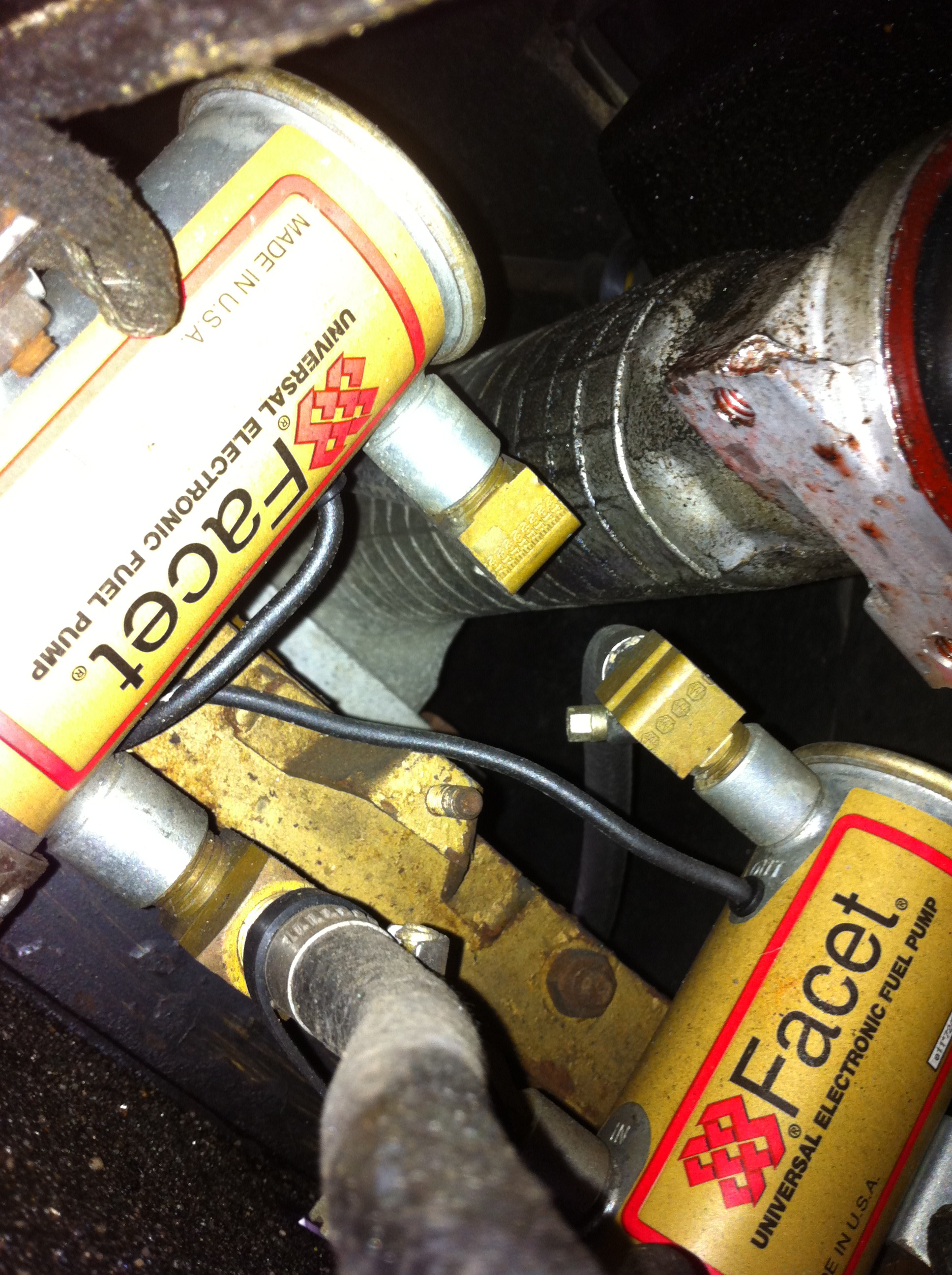
The fuel pump is sorted……..it was simply a blocked internal filter causing the problem. Have also fitted a new short fuel line between the pumps and 3-way-valve as it was beginning to crack.
A specialist has gone through the carburetors to make sure all settings are correct, or at least seem sane, before the car is put on a dynamometer in a few weeks to measure power output and fine tune the engine. The PPO (prior to previous owner) had overhauled and synced the carbs while he had the car, and Webers are usually set-and-forget, but I’ve learned that a whole lot of strangeness can happen when someone gets their hands on an unusual automobile, if even for only a few months…
He didn’t find anything obviously mis-matched in the carbs, or any serious imbalance, just way out of tune and general wear – not one specific thing. He says that a full setup is the only way to improve things and thinks that the poor running (ref. earlier posts here about the same issue) is a combination of numerous general wear items (carb jets etc) and no one big issue.
I had a suspicion she was running a bit rich, judging both from the two black spots on the rear wall of the garage as well as the amount of soot expelled from the exhaust. That would also affect acceleration and power in general. So the specialist’s findings match well with my own observations and thoughts. His adjustments did result in a nice improvement, but there’s still more to be done.
When we get her running according to spec, we should see somewhere in the neighborhood of 280hp when all is said and done. I’ve been considering removing all the US smog equipment, but that would mean new cams, which is more work than I’m prepared for at this point.
Right now I’m more interested in getting the repaint done and actually taking her out for a drive!
A big “thank you” to a friend in Holland who recently discovered how much catalytic converters contribute – he mounted new cats on his QP3 and reduced CO emmisions from 6% to 0.09% (!!!).
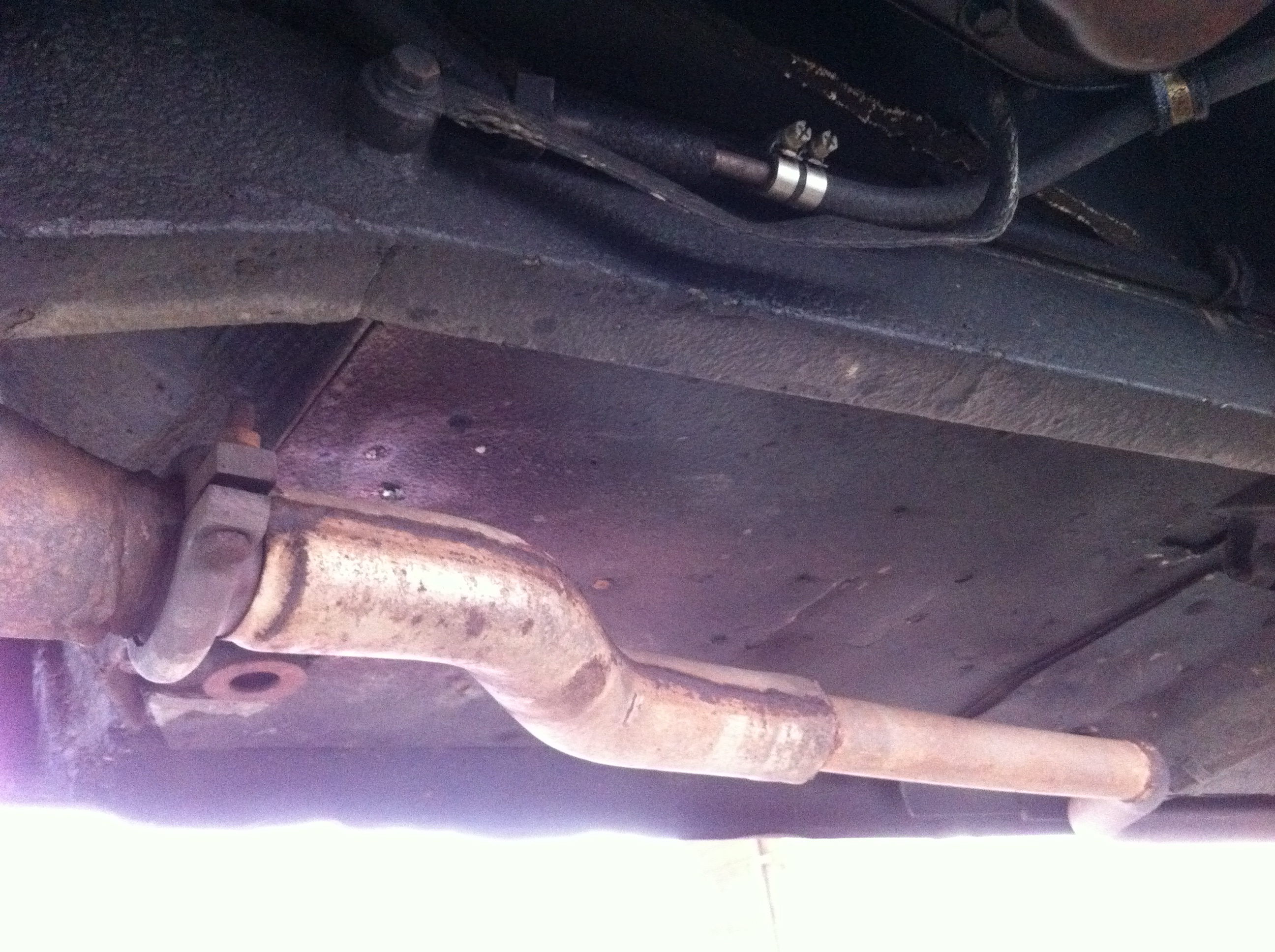
The catalytic converters on my car, as with so many others, had at some point been removed by a previous owner, with a section of straight pipe welded in it’s place. Despite that, the car passed inspection both when imported and more recently at my latest MOT.
Catalytic converter replaced by straight pipe.
One of the problems with 6% CO emissions figures, is that on any drive longer than 15-20 minutes, the occupants are going to notice. Several owners have reported headaches as a result.
My Dutch friend was happy to say that not only were the headaches gone, but the wonderful sound of the exhaust remains unaltered with high-flow sports cats.
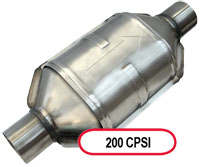
I found a 200cpi oval sport cat from Redback (Australia) and will install it soon.
I’ve been leaning towards the original “blu sera met.”, a metallic midnight blue. Personally I think the car suits slightly darker colors to lighter ones, although I must admit it looks really nice in silver. Dark grey, metallic burgundy, even the metallic bronze all compliment the car nicely.
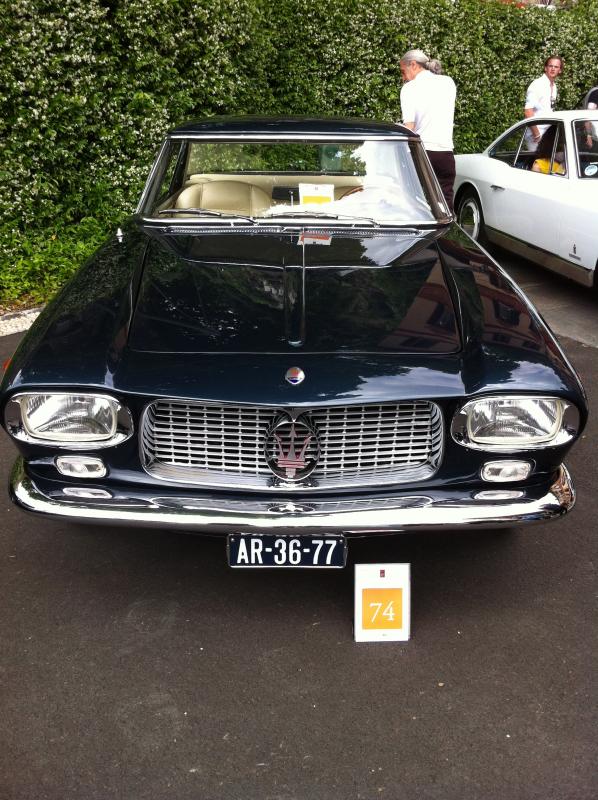
The older 60’s blu sera is even deeper and richer, with finer metallic flakes than the 80’s vintage, as technology changed (improved?), flakes became larger. Here’s an example of a Maserati 5000GT painted in a mid-60’s blu sera:
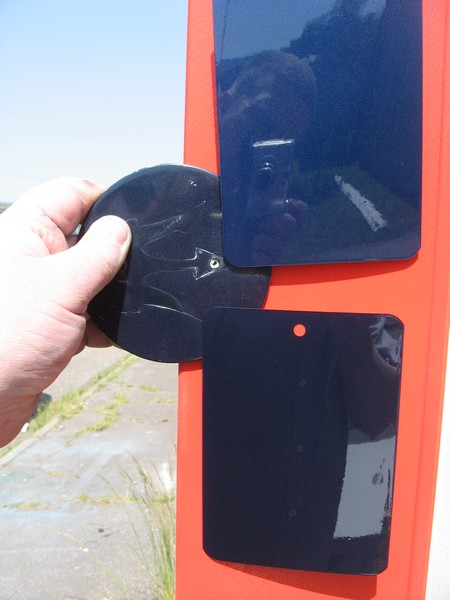
Here are a few paint chips. Ferrari blu sera top, my original blanking panel left middle (not sure if you can see the difference between the color where the trident was and the rest, but it’s there), and the model year-appropriate Maserati blu sera on the bottom:
Paint chips
There’s still time to consider other colors before paint hits body.
What color would you think shows off the car best? Comments are open!
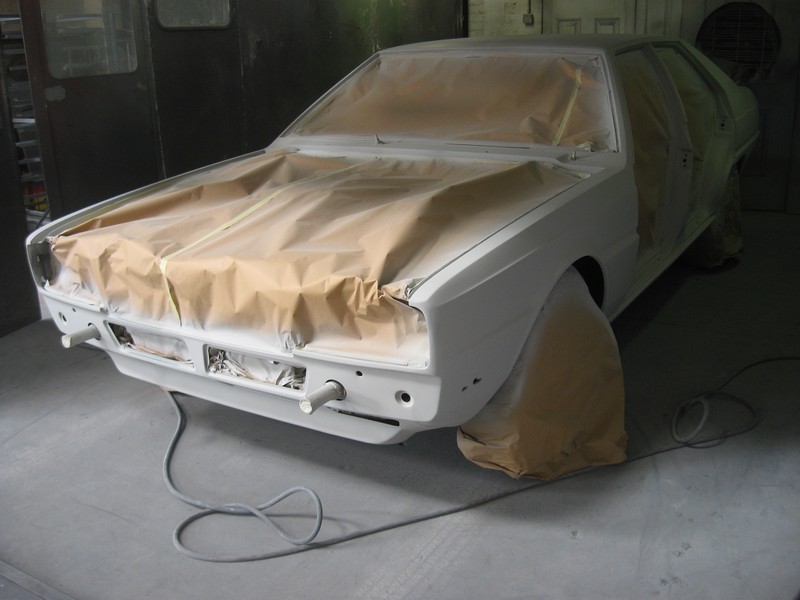
Every crease and detail in the body is pin sharp and precise. It’s always a pleasure to watch a master craftsman at their trade.
“Anyway, a few pics – but loads of progress – this week. Filling/shaping work completed, main body etch primed, high build primed and guide coated. Masking removed.”